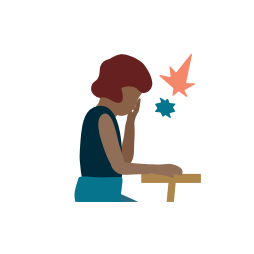
6 unexpected signs that your child is frustrated at school

Getting frustrated is one of the first signs that your child may be struggling in school. Sometimes it’s clear that things aren’t going well — your child may lose their temper or walk away from a difficult task. But frustration over school can show up in ways that aren’t always obvious.
Here are six signs of frustration you might not expect. You may see these signs at home or hear about them from your child’s teacher. Kids who are frustrated may:
Just sit quietly during classwork or homework, not engaged and not trying.
Avoid taking risks or trying new things, thinking they’ll probably fail.
Say they have no control over whether they succeed at something.
Clown around to distract people from things they don’t do as well as other kids.
Say it doesn’t matter how hard they work because they won’t do well.
Put it on other people: “Nobody explained the directions.”
Ongoing frustration can make kids lose their motivation to keep trying. Spotting the signs is the first step to finding out what’s causing your child's struggles at school — and what might help.
A self-guided activity to support your mental health

ADHD Unstuck
10 min
93% of women with ADHD report mood struggles. This free tool helps you build awareness, shift patterns, and feel more like yourself.

When frustration leads to anger
When frustration goes on for a long time, kids can get resentful and angry. They may feel like things are easy for everyone else and nobody understands them.
Your child may express anger through tantrums, verbal outbursts, swearing, throwing things, and fighting. Acting out like this isn’t about being “bad.” It usually happens when kids don’t have other ways of coping or managing what’s bothering them.
Learn what a child’s anger might be telling you.
Frustration in tweens and teens
As school gets harder in middle school and high school, frustration can boil over. Tweens and teens might decide that school isn’t important. Or they may start cutting classes. They may feel greater anxiety about the future.
At this age, your child faces other demands beyond school that can add to the pressure and increase frustration. Driving, dating, and first jobs can all present challenges and risk of failure.
Find out more about school frustration in tweens and teens.
Next steps
No matter what’s causing the frustration, there are ways to help.
Start by taking notes on what you’re seeing at home. For example, does the frustration happen all the time? Or is it only when certain things are going on? What does the behavior look like?
Share what you’re noticing with your child’s teacher. Ask about how your child is behaving at school, too. Working with your child’s teacher can help you better understand what’s happening. Together, you can brainstorm ways to support your child.
This frustration log can help you keep track of what you notice.
See what ADHD feels like
Meet Pedro, a middle schooler with ADHD. Hear firsthand from him and his family about how they navigate life together with confidence.
Need strategies and tools? Get ADHD resources now