ADHD and mood swings

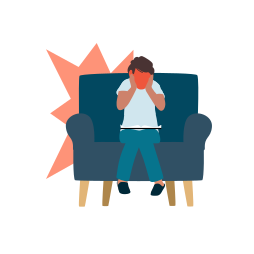
People with ADHD often have trouble managing their emotions. And they tend to feel emotions more intensely than other people. The result? For some, it can mean mood swings that leave the people around them wondering what caused such a quick change in attitude and behavior.
It may not take much to set the pendulum in motion. Getting a bad grade, having to work late, even spilling a drink can instantly change a fine mood into a foul one. The anger or frustration may last the rest of the day — or disappear within 10 minutes.
When people with ADHD have mood changes, they may not see their behavior or how it’s impacting others. Afterward, they often feel bad about how they’ve been acting. They typically don’t mean to be moody or grumpy. But sometimes they may need support to build the skills to control it.
Why it happens
Moodiness isn’t unique to people with ADHD. All people are moody at times and lose their cool now and then. But it’s very common when people struggle with impulsivity and poor self-control, which are key symptoms of ADHD.
People with ADHD also tend to feel anger, anxiety, frustration, or disappointment more intensely than others. (The same can be true of positive emotions.) They can have trouble putting the brakes on their feelings.
See how ADHD affects the brain to find out why this happens.
ADHD medication and moodiness
ADHD medication can play a role in mood swings. That’s especially true if those swings keep happening in the late afternoons or early evenings. Stimulant medications wear off around then and can sometimes cause a few hours of moodiness. If that’s the case, the dose may need some fine-tuning.
Learn the signs of when ADHD medication may need fine-tuning.
What to do next
Keep an eye on mental health issues. ADHD often occurs with conditions like anxiety and depression. These can also cause mood swings and need to be treated separately from ADHD. If a bad mood lasts more than a week or two, talk to a medical or mental health professional.
Learn more about the link between ADHD and anxiety and ADHD and depression.
See what ADHD feels like
Meet Pedro, a middle schooler with ADHD. Hear firsthand from him and his family about how they navigate life together with confidence.
Need strategies and tools? Get ADHD resources now